In recent years, sustainability has
become more than a trend—it’s a necessity. As consumers become increasingly
aware of the environmental impact of the fashion industry, there’s been a
growing demand for ethical production practices, including the use of sustainable
materials in every component of clothing. One often-overlooked element of this
transformation is the apparel label. Labels, though small in size, play a
significant role in the overall sustainability of a garment. This article
explores the various materials used in eco friendly apparel labels,
explaining their benefits and how they support a more sustainable fashion
industry.
Why
Sustainable Labels Matter
Apparel labels provide essential
information about the garment, including brand identity, size, washing
instructions, and country of origin. Traditional labels are often made from
synthetic materials that are not biodegradable, contributing to plastic
pollution. These synthetic materials can also be harmful during production due
to the use of harsh chemicals and excessive energy consumption.
In contrast, eco friendly apparel
labels are crafted from sustainable materials that reduce environmental
impact. They help brands minimize waste, appeal to eco-conscious consumers, and
promote ethical practices across the supply chain.
Key
Materials Used in Eco-Friendly Apparel Labels
Let’s delve into some of the most
widely used sustainable materials for making eco-conscious labels.
1.
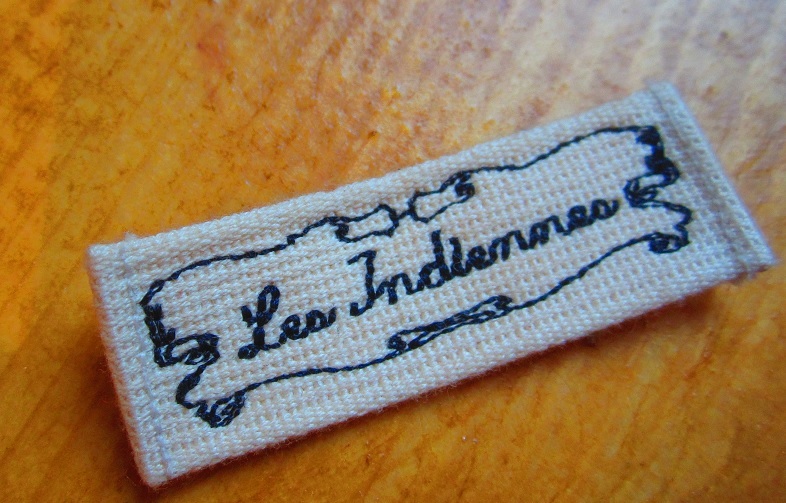
Organic Cotton
Organic cotton is a leading material
used in sustainable clothing and labeling. Grown without synthetic fertilizers,
pesticides, or genetically modified organisms, organic cotton uses less water
and creates less environmental pollution than conventional cotton.
Benefits:
- Biodegradable
- Hypoallergenic
- Lower carbon footprint
When used in label production,
organic cotton provides a soft texture, making it comfortable against the skin.
It’s suitable for labels that need to be sewn inside garments, especially for
children’s clothing or underwear, where skin sensitivity is a concern.
2.
Recycled Polyester (rPET)
Recycled polyester is derived from post-consumer plastic bottles and other discarded polyester materials. By repurposing plastic waste, rPET reduces the need for virgin petroleum-based fibers and helps reduce landfill waste.
Benefits:
- Reduces plastic waste
- Durable and colorfast
- Moisture-resistant
Though not biodegradable, recycled
polyester is more sustainable than virgin polyester and is often used for woven
labels that require durability, particularly for activewear and outerwear.
3.
Hemp
Hemp is one of the oldest and most
sustainable natural fibers available. It grows quickly, requires minimal water,
and doesn’t need pesticides or herbicides. When processed correctly, hemp
creates a strong and textured label material.
Benefits:
- Strong and durable
- Grows rapidly without chemicals
- Naturally resistant to pests
Hemp labels have a rustic, natural
look that aligns with the aesthetic of environmentally-conscious clothing
brands. They’re particularly popular among companies promoting natural
lifestyles or outdoor-focused fashion lines.

4.
Recycled Paper
Recycled paper labels are a
sustainable option often used as hang tags or temporary labels. These can be
made from post-consumer waste or other recycled sources, reducing the demand
for virgin paper and deforestation.
Benefits:
- Fully biodegradable
- Printable and customizable
- Cost-effective
These labels may not be suitable for
garments that require long-term washing and wear, but they are ideal for
branding, size tags, and care instructions.
5.
Bamboo
Bamboo is another sustainable fiber
that’s gaining popularity for apparel labels. It grows rapidly, needs little
water, and regenerates after harvesting. Bamboo fabric is soft, breathable, and
naturally antibacterial.
Benefits:
- Renewable resource
- Biodegradable
- Antimicrobial properties
Bamboo labels are often chosen for
eco-luxe garments due to their elegant feel and appearance. However, it's
important to verify that the bamboo processing method used is environmentally
friendly, as some chemical-intensive methods can counteract its sustainability
benefits.
6.
Cork
Cork is harvested from the bark of
cork oak trees without damaging the tree, making it a renewable and sustainable
material. It is lightweight, water-resistant, and has a unique texture that
sets it apart from other label materials.
Benefits:
- Harvested without tree damage
- Naturally water-resistant
- Unusual and eye-catching
Cork labels are often used for
fashion accessories, handbags, or limited-edition garments that aim for a
high-impact, sustainable branding experience.
7.
Lyocell (TENCEL™)
Lyocell is a semi-synthetic fiber
made from sustainably sourced wood pulp, usually from eucalyptus trees. It’s
produced in a closed-loop system that recycles water and solvents, making it a
low-impact option for sustainable labeling.
Benefits:
- Soft and silky feel
- Produced in an eco-responsible process
- Biodegradable
This material is particularly
suitable for high-end garments where both sustainability and aesthetics matter.
It provides a premium finish while supporting the environment.
8.
Washable Kraft Paper
This innovative material resembles
leather in texture but is made from cellulose fibers. Washable kraft paper is
durable, water-resistant, and biodegradable, making it a strong alternative to
synthetic label materials.
Benefits:
- Durable and tear-resistant
- Vegan alternative to leather
- Printable and sewable
Often used in denim or casual
fashion labels, kraft paper can be printed or embossed, offering excellent
customization options for sustainable branding.
.jpg)
Printing and Dyes for Eco-Friendly Labels
In addition to the base materials,
the printing process also plays a crucial role in determining a label’s
sustainability. Eco-conscious printing involves the use of:
- Water-based inks:
These reduce the need for harsh solvents and are safer for the
environment.
- Soy-based inks:
Derived from soybeans, these inks offer vibrant colors while being more
biodegradable than petroleum-based alternatives.
- Natural dyes:
Sourced from plants or minerals, they avoid the toxicity of synthetic
dyes.
Sustainable printing methods ensure
that the entire label, from the base material to the text and graphics, aligns
with eco-friendly principles.
Certifications
and Standards
To validate the sustainability of
apparel labels, several certifications help consumers and brands ensure
responsible sourcing and production. Some of the most recognized certifications
include:
- GOTS (Global Organic Textile Standard): Ensures organic status and social responsibility in
the supply chain.
- OEKO-TEX® Standard 100: Verifies the absence of harmful chemicals in
textiles.
- FSC (Forest Stewardship Council): Applies to paper products and ensures responsible
forest management.
- GRS (Global Recycled Standard): Certifies the content of recycled materials and
responsible social and environmental practices.
Choosing certified label materials
and suppliers ensures transparency and boosts consumer trust.
Choosing
the Right Material for Your Brand
When selecting materials for
eco-conscious labels, it's important to consider:
- Garment type:
Activewear might benefit from durable recycled polyester, while luxury
pieces may call for Lyocell or bamboo.
- Label placement:
Inner labels need to be skin-friendly, while outer branding labels can
prioritize texture and visual appeal.
- Production scale and budget: Organic and recycled materials can be more expensive,
but scalable sourcing options are increasingly available.
Ultimately, the right material will
align with your brand’s values, audience expectations, and sustainability
goals.
As the fashion industry continues to
shift toward sustainability, the details matter. Labels, while often
overlooked, are a crucial element of a garment’s life cycle. By adopting
sustainable materials for labeling, brands not only reduce their environmental
footprint but also send a clear message of responsibility and integrity to
consumers.
Whether you’re a startup fashion
brand or an established label looking to pivot towards greener practices,
understanding the materials used in Sustainable Clothing Labels is a
significant step toward ethical production.
For those seeking high-quality, sustainable labeling solutions, BCI Label Corporation offers a variety of eco-conscious options tailored to your specific needs.